
Proposed FY27 State Budget: Gov. JB Pritzker proposed a $56.1 billion budget reflecting a 1% increase over last year. The budget must be approved by the State Legislature by the end of May and will be effective from July 2026 through June 2027.
30,000+ neighbors served each year:
The new state budget will allocate $166 million to community care programs. Catholic Charities’ in-home care coordinators provide compassionate support and meaningful connections that empower 30,000 seniors annually in Cook and Lake counties to continue to live and age with dignity in their homes and their communities.
Bridge Support: The proposed state budget allocates $17.8 million to support people who experience mental or physical health challenges with rental support as they transition out of long-term care facilities to independent housing.
Homelessness Prevention: The FY27 state budget allocates a 6% increase in the amount of funding for Home Illinois that will provide more funding for supportive housing and homelessness prevention in Catholic Charities’ Rapid Re-housing program in Lake County.
Donor-supported care: A visit with our community care coordinators, Bridge Program and Rapid Re-housing staff connects the people we serve with broader, wrap-around services that help them thrive.
State funding supporting social services and programs managed by Catholic Charities of the Archdiocese of Chicago is expected to remain intact for the year ahead. Illinois Gov. JB Pritzker presented his $56.1
billion budget for Fiscal Year 2027 during his State of the State Address Feb. 18, 2026. The budget reflects a 1% increase over last year’s budget. It must be approved by the State Legislature by the end of May and will be effective in July 2026.
“The budget keeps funding for programs relatively level with some increases for increased need, and prepares for uncertainty in federal dollars,” said Brendan O’Sullivan, Director of Government and
Corporate Relations for Catholic Charities. “CCAC did not see any cuts which is great to see and we’re happy with that.”
Brendan said there are no major cuts to the state’s human services budget. He added the state was also careful due to federal uncertainty on funding mechanisms, particularly in trying to mitigate anticipated cuts to the Supplemental Nutrition Assistance Program (SNAP) and Medicaid.
The One Big Beautiful Bill Act, signed by President Donald J. Trump last July, reduces federal funding for SNAP by $186 billion through 2034 and imposes new requirements for eligibility. Illinois has 1.94 million people receiving SNAP benefits and an estimated 200,000 Illinoisans are at risk of losing those benefits as a result of the federal SNAP changes that went into effect Feb. 1, 2026. SNAP recipients between the ages of 18 and 64 who do not have dependents under the age of 14 are required to work or volunteer a minimum of 80 hours per month. Those impacted by the work requirement will have three months to
become compliant or exempt.
In addition, Medicaid-eligible adults ages 19 to 64 who are applying for coverage, or who received coverage through the Affordable Care Act expansion of Medicaid, would be required to work or volunteer at least 80 hours per month. An AARP Public Policy Institute analysis found that 9 million Medicaid
recipients between the ages of 50 and 64 would face these requirements. AARP reports cuts to Medicaid and the Affordable Care Act (ACA) funding could cause nearly 12 million people to lose their health insurance by 2034, according to a Congressional Budget Office analysis. Beyond the future uncertainty of these programs, Catholic Charities positions itself with the support of state funding to continue providing community care, transitional housing services, and rapid rehousing to those in need.
Community care programs
The proposed state budget includes a $166 million increase in funding for community care programs — Catholic Charities is one of more than 10 community care program providers in Cook County. The funding increase is essentially to cover an expected rise in the number of seniors accessing the program. As the older population in Illinois continues to grow — the Illinois Department on Aging estimates that seniors will represent 3.6 million people, or 25% of the state’s population in the next five years — so does
the need for in-home support.
The Illinois Department on Aging has partnered with Catholic Charities for more than 40 years to bring in-home care coordinators to seniors’ homes in Cook and Lake counties to provide access and deliver in-home services they need, including homemaker services. Catholic Charities’ care coordinators provide
compassionate support and meaningful connections that empower 30,000 seniors annually in Cook and Lake counties to continue to live and age with dignity in their homes and their communities.
The proposed state budget also includes funding to pay for a rate increase for the in-home providers of community care. Effective Jan. 1, in-home service providers received a $1.17/hour increase, however,
the current budget did not allocate funds for that increase, but the proposed FY27 budget does. Most in-home service providers earn $30.80/hour. Brendan said providers did not receive a rate increase from 2000 to 2022, so it has been good to see rate increases in the state budget the last few years.
Bridge Subsidy Programs
The Bridge Subsidy program provides people who experience mental or physical health challenges with rental support as they transition out of long-term care facilities or nursing homes into permanent, independent, integrated housing in the community.
Although Catholic Charities is not the only provider of Bridge Subsidy services, it is the main provider in Cook County. This program will see a $17.8 million increase in funding if the proposed budget is
approved. This funding also anticipates an increase in the number of people entering the program and needing these supportive services. CCAC leaders had been hoping to see the state increase this funding.
Home Illinois
Home Illinois is the state’s plan to prevent and end homelessness by partnering with other agencies and community partners including Catholic Charities. The proposed FY27 state budget allocates a 6% increase in the amount of funding for Home Illinois that will provide more funding for supportive housing and homelessness prevention in Catholic Charities’ Rapid Re-housing program in Lake County. Although the dollars don’t directly impact Catholic Charities, the state’s allocation, Brendan said, ensures that the agency will not have to make any cuts.
If you want to help fill in the state and federal funding gaps so Catholic Charities can continue programming to support seniors in need, donate at catholiccharities.net/give.
Related Stories
-

Christmas Magic: Join Us in the Celebration of Giving
As the holiday season nears, some struggling families worry they won’t be able to capture the magic of Christmas. That’s where the Catholic Charities...
-
Voice of Charity
Beyond the Basket: Nourishing Families With More Than Groceries
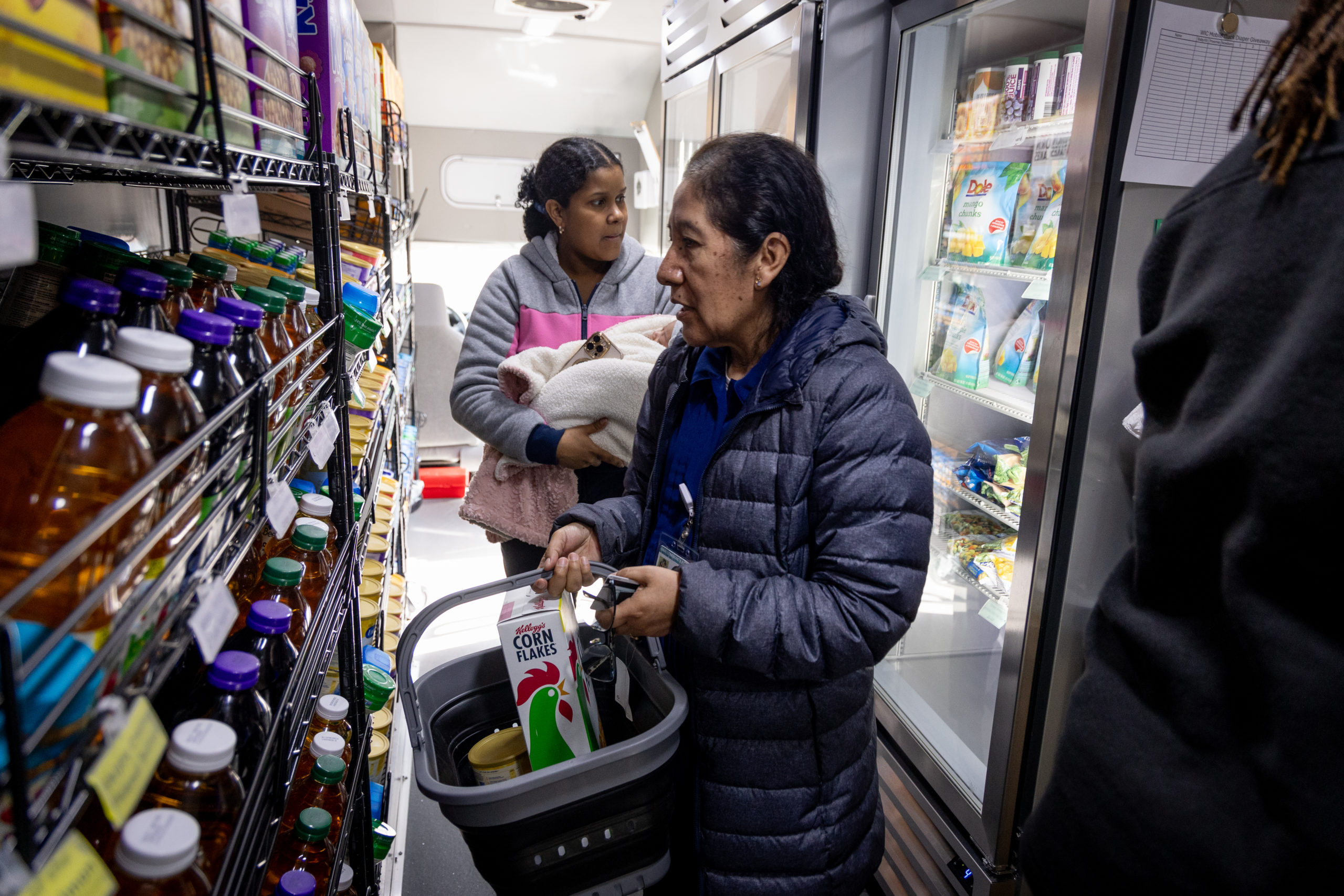
By Jessica Martinez, RD, LDN Each month, more than 22,000 people visit our 10 WIC (Women, Infants, and Children) grocery stores, managed by Catholic Charities of the Archdiocese...
-
Answering the Call to Serve
Seeing each other, and their community, with new eyes
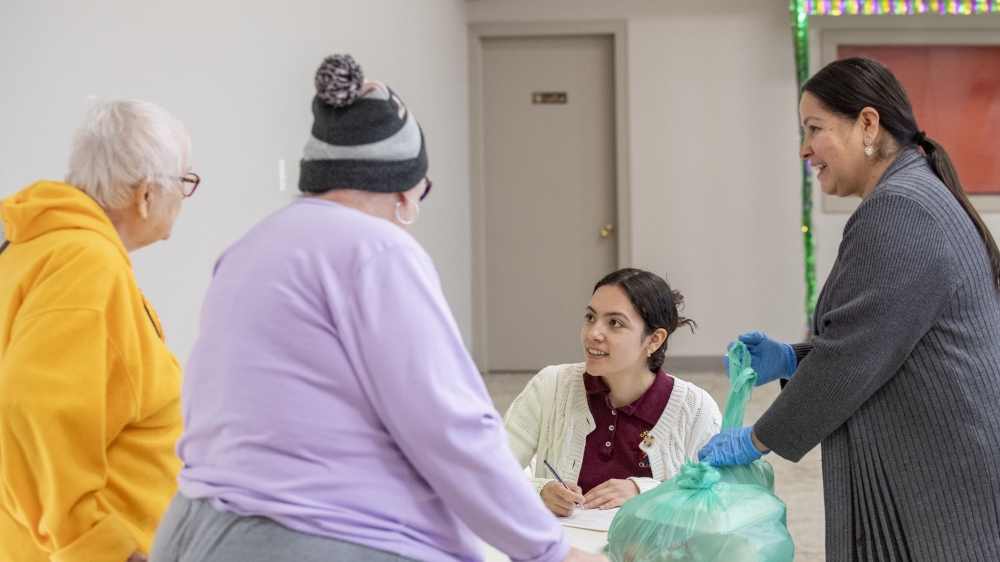
Lupita (Maria) Macias, and her daughter, Julie, have witnessed how sharing a meal can build community in a way they’ve never experienced before. Lupita...