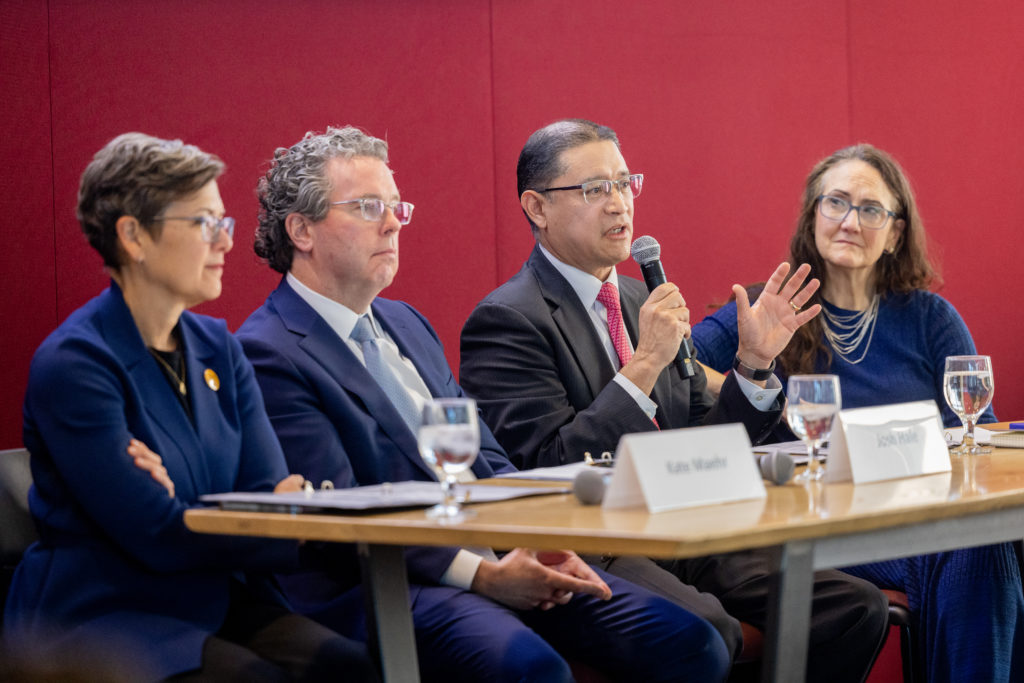
Inspiring hope and casting a wide safety net to support our neighbors in need was the message from leaders of four of Chicago’s largest social service providers who met for a panel discussion hosted by Catholic Charities of the Archdiocese of Chicago.
Sally Blount, CEO of Catholic Charities, moderated the Nov. 12, 2025, event that coincided with Pope Leo XIV’s World Day of the Poor. Kate Maehr, Executive Director and CEO, Greater Chicago Food Depository, Ric Estrada, CEO, Metropolitan Family Services, and Josh Hale, President and CEO, Big Shoulders Fund, discussed the status of the safety net each of these organizations provide at a time when federal funding is declining, and the need is as high as ever. Leaders also emphasized that now is the time to speak up, engage, advocate, volunteer, and donate to support our neighbors in need. More than 130 guests attended the event held at Loyola University’s Schreiber Center.
Sally launched the discussion with some sobering statistics about poverty — 40% of U.S. households have an income of less than $48,000 and poverty in Chicago sits at 17%, compared to the national average of 12%. Poverty, she said, disproportionately impacts seniors who live alone, Black and Latino households, and those led by single mothers.
An estimated 100 million people in the U.S. — one out of three people — participate in government safety net programs, she said, which make up 90% of the safety net supporting these neighbors in need. The extended family safety net of family and friends help with temporary housing, finances, and childcare, while charitable safety nets — including these social service providers — work to address the gaps.
“Together, we serve more than 1.5 million people a year across these four organizations,” Sally said. “We distribute over $750 million in goods and services, we partner with over 1,000 community organizations not to mention each other, and most of us rely heavily on government funding — 20% of our combined spend is privately funded.”
All four social service providers recognized the importance of partnering with other organizations to fulfill their missions to serve those in need.
The power of partnerships
“As a silo we’re ineffective, as a collective, we are deeply impactful,” said Josh Hale of the Big Shoulders Fund which invests more than $40 million annually in student scholarships and leadership development, academic programs, and operational improvements to support 72 Catholic schools in the Chicago region — many in communities that have experienced historic disinvestment.
One of those schools is St. Francis de Sales High School on Chicago’s Southeast Side which operates a food pantry for area residents. Principal Dr. Roni-Nicole Facen said 70 students work at the pantry which serves 10,000 pounds of food, feeding over 1,000 families every week. Their numbers doubled the first week of November when Supplemental Nutrition Assistance Program (SNAP) benefits were paused by the federal government shutdown. Facen said it was important for her to attend the World Day of the Poor event.
“To have a room of like-minded people, who believe in what you believe in, believe in families, believe in community, it’s a room you want to be in, and then we figure out how to grow that mission,” she said. Josh’s comment that this work can’t be done in a silo resonated with her, as did Ric Estrada’s personal story of visiting a food pantry and making sure he “looks back in that rear view mirror.”
“I see that kid, too, going to the food pantry carrying my box,” Roni-Nicole said. “That’s always in the back of my mind. I’m serving that kid.”
Ric said he was that kid, too, heading to the food pantry as a seven-year-old living in Englewood, and later in a basement in Little Village. He’s built upon that foundation to grow Metropolitan Family Services from a $37 million organization to a $210 million organization.
“There’s more need, and the need has shifted,” Ric said. “There are other people out there that are suffering and need our help.”
Metropolitan Family Services provides early education services, emotional wellness programs, domestic violence services, a Legal Aid Society, and violence prevention. He believes the main levers to success are partnerships and being advocates for communities and people in need.
Kate Maehr, CEO of the Greater Chicago Food Depository which delivers food to over 800 partners, agrees.
“We need to advocate for better education so that people graduate from institutions of learning, being able to be qualified for jobs that are available to them,” Kate said. “We need to advocate for jobs that pay thriving wages. We need to advocate for a safety net that works.”
She explained that during the COVID-19 pandemic, Congress put in place a series of expansions in the safety net — expanding SNAP and the child tax credit. The consequence: Child poverty plummeted to its lowest levels in our lifetime.
“We saw that it works, but we have to be willing to make that investment and to me, that means we have to lift our voices — there are a huge set of collective societal costs if we don’t,” Kate said. “And so being advocates looking for solutions through policy and through investments in the safety net, I believe, are a solution that will drive food security across the nation.”
Bob Kastenholz, who along with his wife, Mary Ellen, are long-time supporters of Catholic Charities, the Celebration of Giving program, and other charitable organizations, was inspired by the panel discussion.
“We have a challenge to educate people who then become advocates,” Bob said after the event. “We talked about volunteerism, financial support, but it’s also giving a voice to those who have no voice. We need justice, that’s the message that came out of today’s meeting.”
He acknowledged the discussion was attended by many of his peers also involved in a variety of charitable activities, and was also very educational.
“They added clarity to what’s going on with homelessness, poverty levels, and quite honestly, food insecurity,” he said. “We learned a lot today.”
Related Stories
-
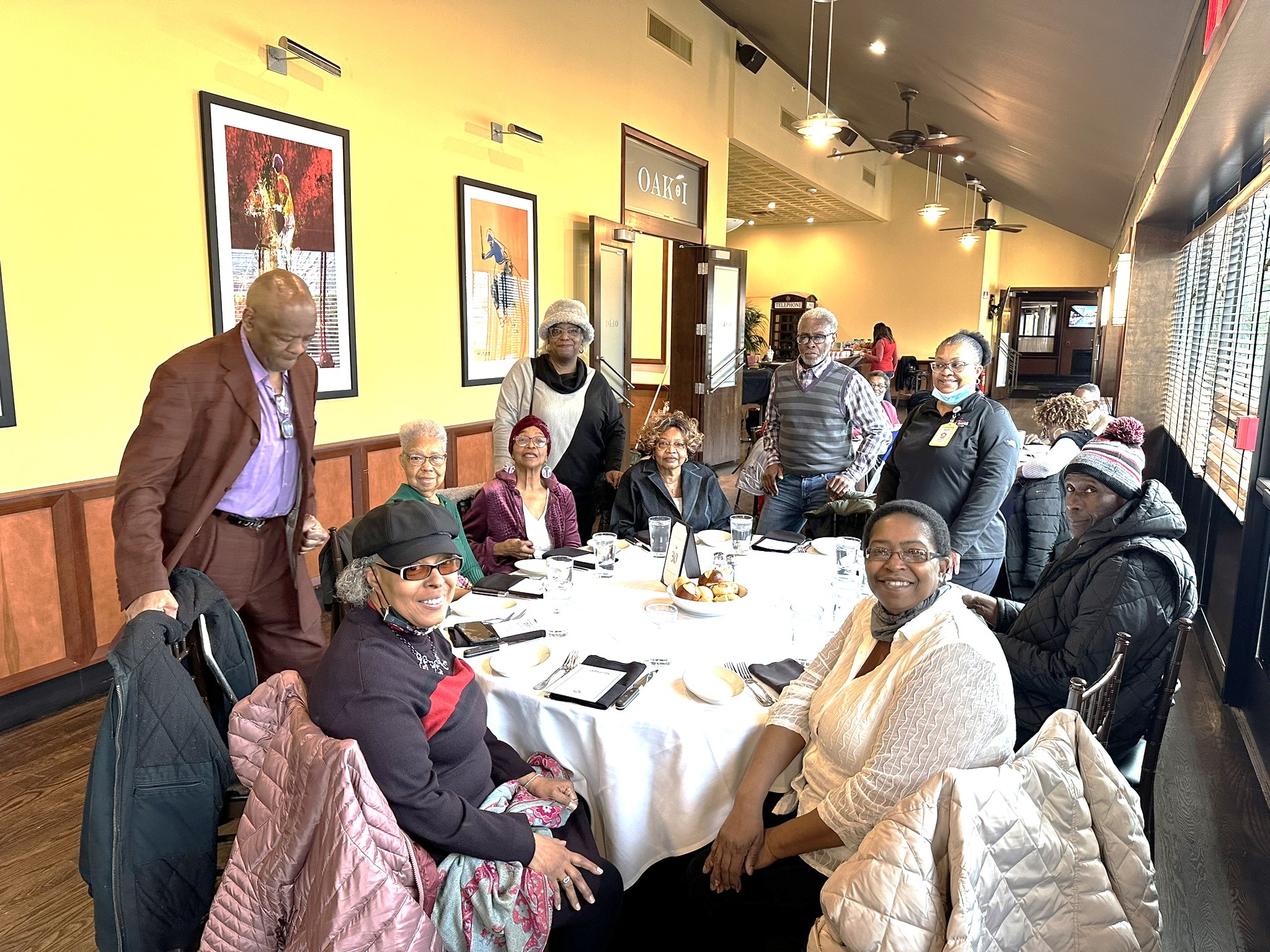
Gibsons Restaurant Group Hosts 16th Annual Catholic Charities Lunch
More than 300 Catholic Charities clients were treated to a decadent meal January 28 at Gibsons Bar & Steakhouse in Oakbrook, courtesy of the...
-
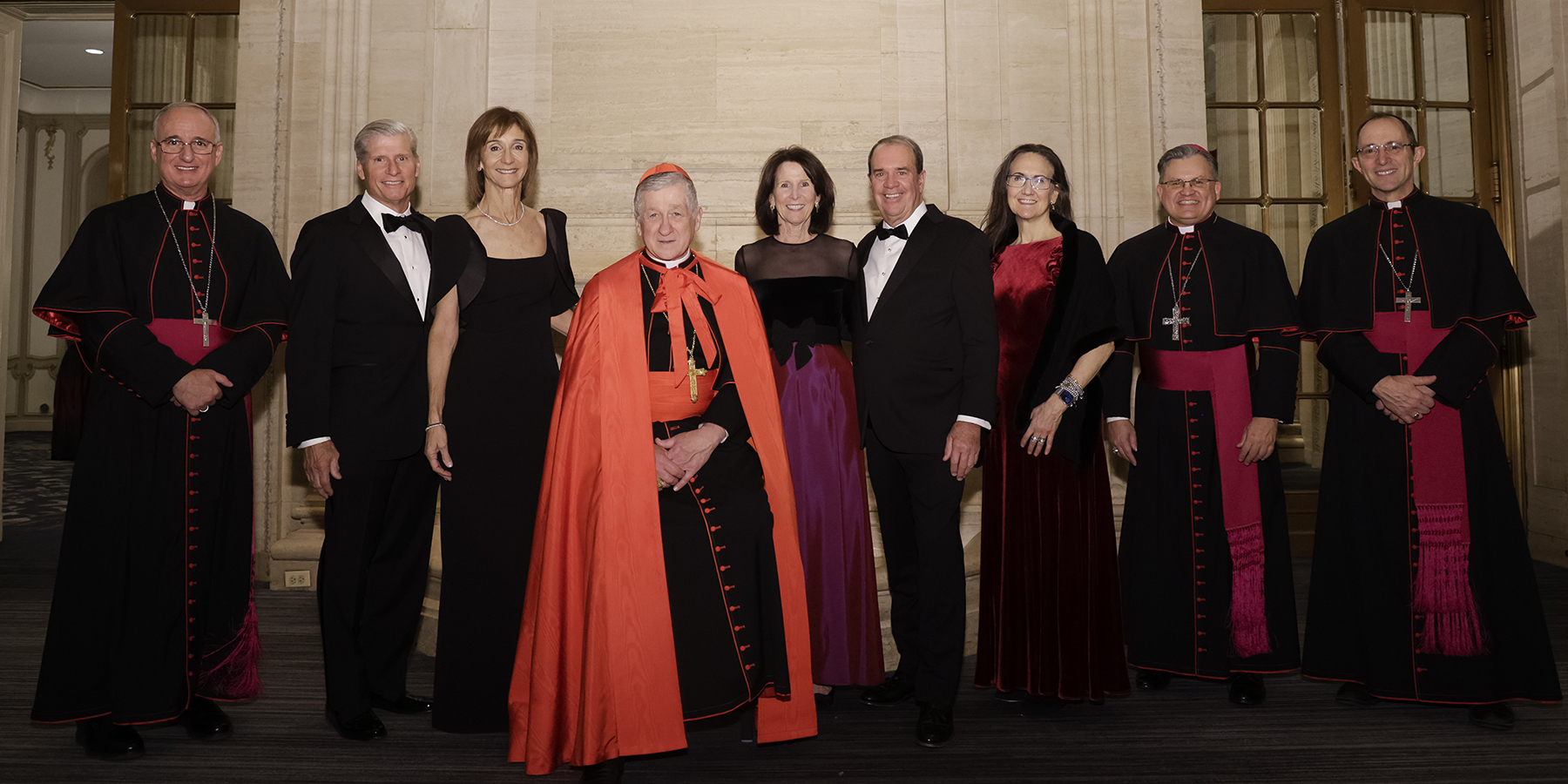
Spirit of Saint Nicholas Ball celebrates the true meaning of Christmas
The Spirit of Saint Nicholas Ball on Friday, December 6 was a celebration of generosity and the true spirit of Christmas, with over 700...
-
Fr. Wayne F. Watts Receives 2023 Joseph Cardinal Bernardin Humanitarian Award from Mundelein Seminary
In recognition of his tireless efforts to serve God and His Church in the Archdiocese of Chicago, and befriend people who are suffering, in...